
LOWCOUNTRY INSIGHTS BLOG
Lowcountry Insights
Welcome to Lowcountry Insights by Coastal Long-Term Rental Company -- our regular blog where we featured news and articles about what's happening in the South Carolina Lowcountry!
We're sharing tips and tricks about relocating to Hilton Head Island, South Carolina, Bluffton, South Carolina, or how to find the perfect place to call home. Occasionally, we are also sharing information on real estate investing news for our property owners and how to maximize rental income for long-term rental properties. We hope you enjoy!
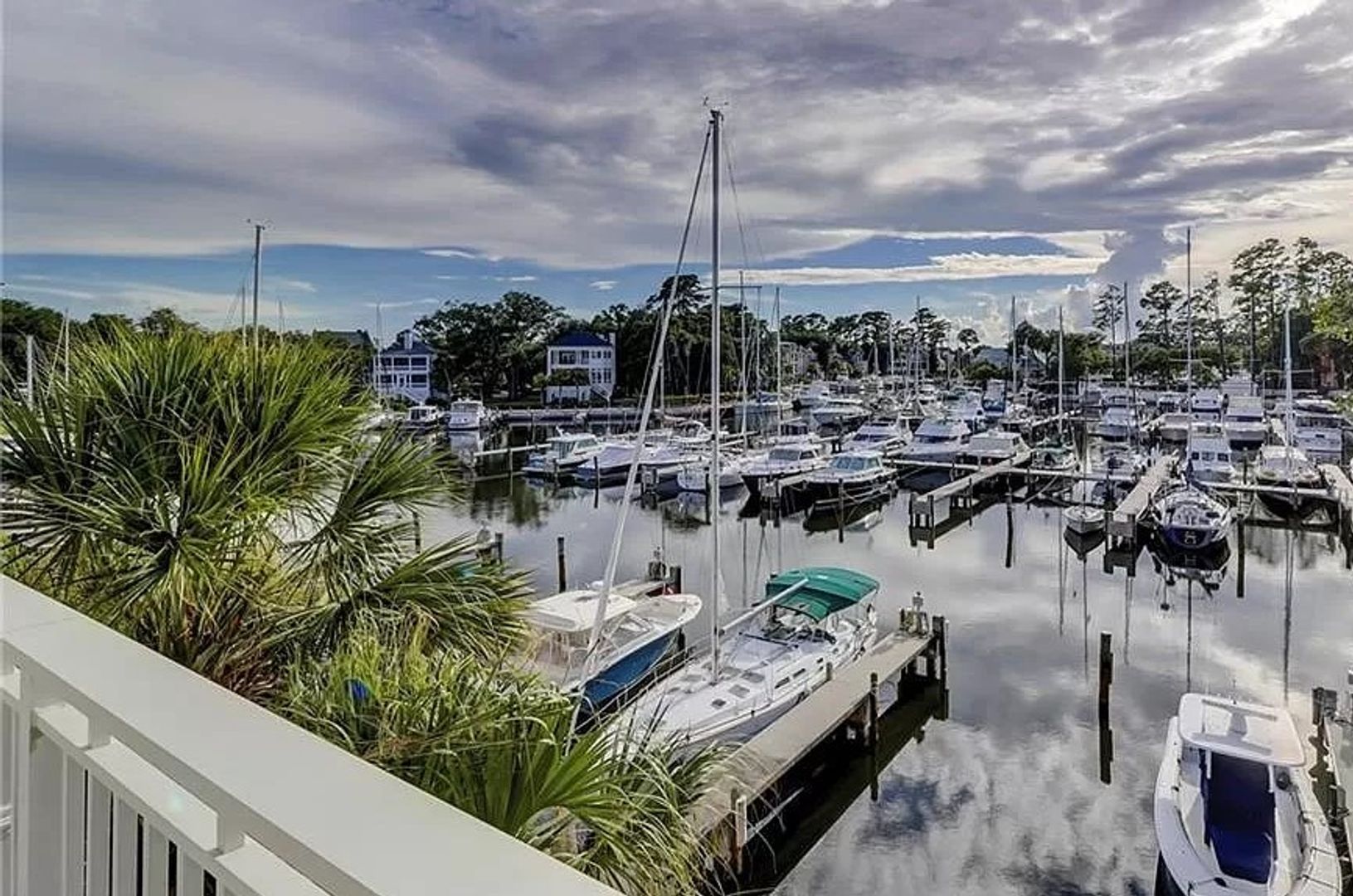
Should I put my real estate investment on the short-term or long-term rental market? For investors in high-demand markets, particularly coastal regions like the Lowcountry, the debate between Short-Term Rentals (STRs) and Long-Term Rentals (LTRs) is a constant tug-of-war. While the "high-season" nightly rates of a vacation rental look dazzling on paper, savvy investors are increasingly pivoting back to the stability of the long-term market. Beyond the allure of a quick buck, long-term rentals offer a structural soundess to an investment portfolio that STRs simply cannot match. Here is why the long-term rental market is the superior choice for serious real estate investors and how Coastal Long-Term Rentals can manage your property if you are looking to lease it and maximize your return on investment. 1. Predictability and Cash Flow Stability The most significant risk of the STR market is volatility. Your income is at the mercy of the weather, travel trends, and the economy. If a hurricane threat looms or consumer spending dips, your calendar empties instantly. With long-term renters, you have a predicable source of income, independent of those unforseen and unpredicable factors. The LTR Advantage: A long-term lease (typically 12 months) provides a guaranteed top-line revenue figure. This allows investors to calculate their Debt Service Coverage Ratio (DSCR) with 100% accuracy, making it easier to qualify for further financing and scale their portfolio. The Fact: According to industry data, the average occupancy rate for a well-managed LTR is 95-98%, whereas STRs often struggle to maintain a 50-60% ann ual average due to seasonal dead zones. We experience those dead zones on Hilton Head Island. 2. Drastically Lower Operating Expenses Investors often underestimate the hidden and unforseen costs of running a vacation rental. When you choose the long-term market, your overhead drops significantly. Utilities and Services: In a long-term arrangement, the tenant typically assumes responsibility for electricity, water, gas, and internet. In an STR, the owner carries these costs 100% of the time, regardless of occupancy. Property Management Fees: STR management companies often charge 20% to 35% of gross revenue due to the high-touch nature of the business (guest communications, check-ins, etc.). Long-term property management fees typically hover between 8% and 12%. Please reach out to us at Coastal Long-Term Rental to discuss our current fee structure. We pride ourselves on a simple fee structure and do not nickel and dime our owners with additional costs. We also pass-through vendor invoices, unlike other companies, so you are not paying inflated costs for fixes to plumbing, electrical, paint, or other. We bill you what we pay. Furnishing Costs: An STR must be photo-ready, requiring a capital outlay for furniture and decor that suffers heavy wear and tear. LTRs are sometimes rented unfurnished, shifting the depreciating asset burden to the tenant. Note that some of our long-term rentals are furnished and that is a personal choice for owners that we help determine. 3. Reduced Wear and Tear Through Tenant Accountability There is a psychological difference between a guest and a resident. The STR Reality: Vacationers often have a hotel mentality, leading to stained carpets, broken dishes, and overtaxed HVAC systems. Frequent turnovers mean constant luggage bumping into walls and high-traffic floor damage. The LTR Reality: Long-term tenants view the house as their home. They are more likely to report small leaks before they become floods and are contractually obligated to maintain the property's condition. Furthermore, a single move-in/move-out every year is far gentler on the home's structure than 50+ check-ins per year. 4. Regulatory Resilience This is perhaps the most critical factor for 2026 and beyond. Municipalities across the country are aggressively cracking down on short-term rentals to combat housing shortages, especially in Hilton Head Island that has become overwelmed with short-term rentals that pack in dozens of people. Zoning Risks: Local governments can (and do) change STR ordinances overnight, requiring expensive permits or banning them in residential zones entirely. You can read about Hilton Head Island's new short-term rental permit procedures and see how daunting it might be to manage or obtain if you are new to the rental market. The Fact: Long-term rentals are a protected and essential part of the community infrastructure. By investing in LTRs, you are immune to the legislative whiplash that can turn a profitable STR into an illegal operation with one city council vote. 5. Favorable Tax Treatment and Passive Income While both models offer depreciation benefits, the IRS often views STRs as active businesses (similar to hotels) if the average stay is seven days or less and substantial services are provided. Passive Loss Rules: LTR income is generally classified as passive. For many investors, this allows for more straightforward tax planning. Sales Tax: In most states, STRs are subject to Lodging or Hospitality taxes (often 10% or higher), which must be collected and remitted. Long-term rentals are typically exempt from these burdensome hospitality taxes. The Verdict Short-term rentals are a hospitality business; long-term rentals are a real estate investment. If you are looking for a side hustle that requires constant attention, marketing, and guest management, the short-term market is there. But if your goal is wealth preservation, consistent cash flow, and lower stress, the long-term rental market remains the gold standard for savvy investors. By choosing a long-term tenant, you aren't just renting a house—you’re securing your financial future. Coastal Long-Term Rentals has been in the property management business since 2013 and has been serving our owners with integrity. It's a rental partnership that you can trust! Visit our website on property management and learn more about the benefits of working with our company and see how we are different than the others. We welcome an opportunity to speak with you!
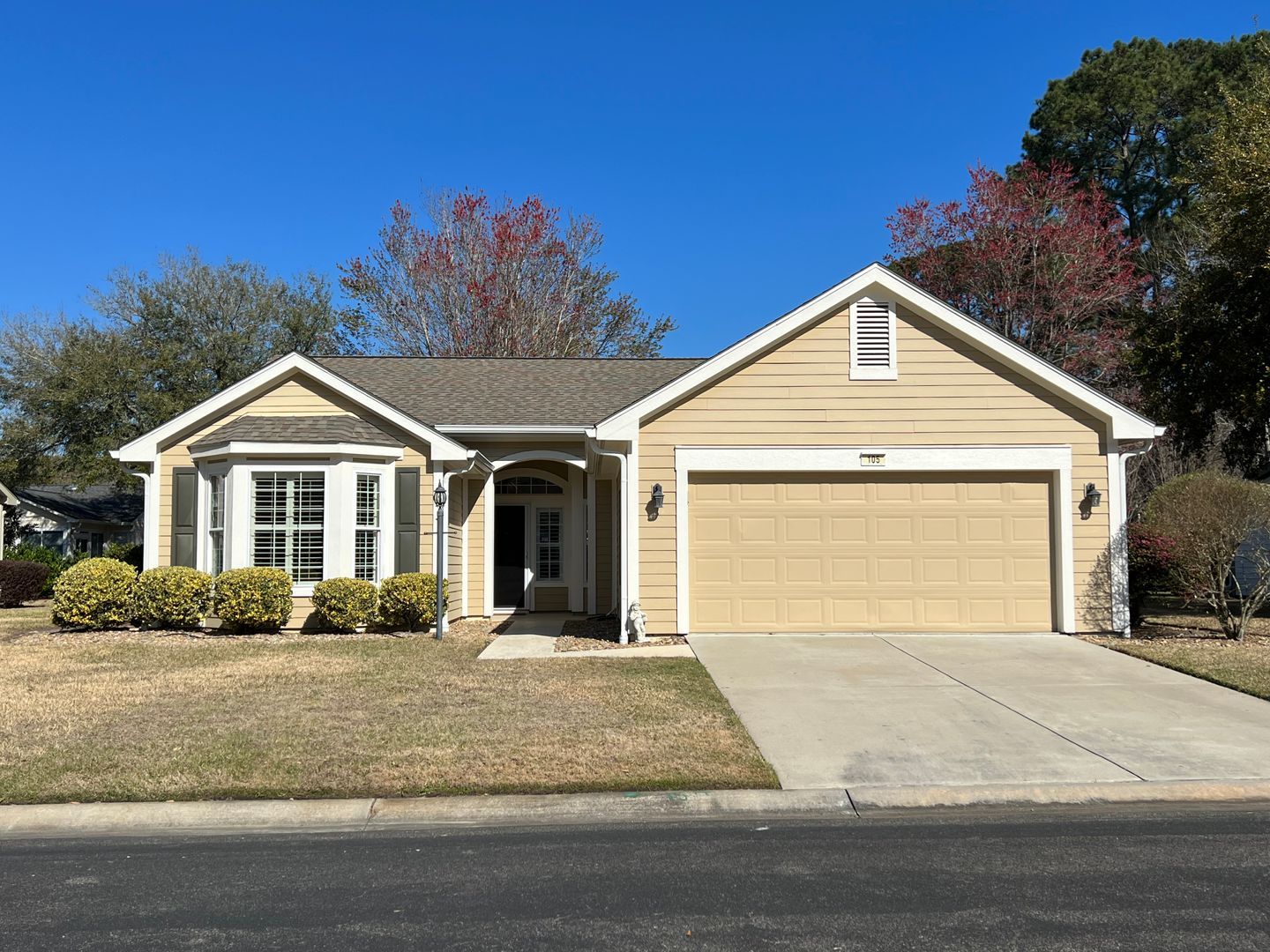
The Best Neighborhoods for Families in Bluffton, SC: A Long-Term Resident’s Guide Are you planning a move to the Lowcountry? While Hilton Head Island often gets the vacation spotlight, Bluffton, South Carolina has become the go-to destination for families looking for a permanent place to call home. Between the top-rated schools, the sprawling oak trees, and the Bluffton State of Mind, it’s no wonder this is one of the fastest-growing towns in the South. Bluffton’s explosive growth is fueled by its unique position as the "Gateway to Hilton Head," offering a perfect balance between coastal leisure and modern convenience. While the island is largely built out, Bluffton has the geographic space to expand, giving rise to master-planned communities that cater specifically to young professionals, families, and retirees alike. The town’s economic vitality is anchored by a booming medical sector, top-rated Beaufort County schools, and a lower cost of living compared to nearby coastal enclaves. This infrastructure, combined with easy access to both the Savannah metropolitan area and the Atlantic beaches, has transformed Bluffton from a sleepy riverside stop into the fastest-growing municipality in South Carolina. Beyond the logistics of growth, people fall in love with the Bluffton State of Mind, a local philosophy that prioritizes a slower pace of life, community connection, and the preservation of natural beauty. The heart of this charm is found in Old Town, where moss-draped live oaks shade historic streets filled with art galleries, eclectic eateries, and the vibrant Thursday Farmers Market. Whether it’s spending a Saturday afternoon on a sandbar in the May River or navigating the town’s extensive golf-cart paths, residents enjoy a high quality of life defined by outdoor recreation and Southern hospitality. It is a rare place that manages to feel like a tight-knit village even as it evolves into a premier regional destination. But beyond Old Town Bluffton, there are many unique communities, all within difference price points. With so many unique communities, where should your family plant roots if you are planning to secure a long-term lease in Bluffton, SC? As specialists in long-term rentals in Bluffton, we’ve curated a list of the top neighborhoods that offer the perfect blend of safety, amenities, and community spirit. Buckwalter Place & Surrounding Communities If convenience is your family’s top priority, the Buckwalter area is hard to beat. This region is the "hub" of modern Bluffton living. The Vibe: Energetic and accessible. Why Families Love It: You are within walking distance (or a short golf cart ride) to the Buckwalter Place Commerce Park, which features Publix, diverse dining, and the activities such as the Buckwalter Recreation Center. Schools: Home to several of the area’s newest school facilities Pinecrest For families who want a classic "neighborhood" feel with plenty of green space, Pinecrest is a favorite. The Vibe: Friendly, active, and established. Why Families Love It: It’s a golf course community, but you don’t have to be a golfer to enjoy it. The community offers a junior Olympic-sized pool, tennis courts, and a playground that is always buzzing with activity. The Bonus: It is centrally located with quick access to both Highway 278 and the Bluffton Parkway. Hampton Hall & Hampton Lake If your family is looking for resort-style amenities on a long-term basis, these sister communities offer an upscale lifestyle. The Vibe: Luxury meets Lowcountry leisure. Why Families Love It: Hampton Lake is famous for its massive freshwater lake, perfect for kayaking and fishing, while Hampton Hall offers incredible private club amenities. Both are gated, providing an extra layer of peace of mind for parents. Amenities: Think splash pads, fitness centers, and miles of walking trails. The Promenade & Old Town Bluffton Do you want your kids to grow up with a sense of history and walkable charm? Old Town is the heart and soul of the 29910 zip code. The Vibe: Historic, artistic, and eclectic. Why Families Love It: You can walk to the May River for a sunset dip or spend your Thursdays at the local Farmers Market. It’s perfect for families who prefer a "Main Street" lifestyle over a gated subdivision. Sun City Sun City Hilton Head is the premier 55+ active adult community in the Lowcountry, spanning over 5,000 acres across Bluffton and Jasper County. Residents are drawn to its resort-style lifestyle, which features world-class amenities including several championship golf courses, fitness centers, indoor and outdoor pools, and over 100 social clubs. With its meticulously landscaped grounds and a gated environment that prioritizes safety and social connection, Sun City offers a unique "city within a city" feel that allows retirees to stay vibrant and engaged while enjoying the natural beauty of the South Carolina coast. Making the Move to Bluffton Finding the perfect long-term rental in a high-demand market like Bluffton can be a challenge. At Coastal Long-Term Rentals , we don't just manage properties; we help families find homes where they can create lifelong memories. Pro-Tip for Your Search: When applying for a rental in Bluffton, have your records ready! The market moves fast, and being prepared with your references and pet records (if applicable) can make the difference. Ready to find your Bluffton home? Browse our current long-term rentals in Bluffton and contact our team today to learn more about the local market.
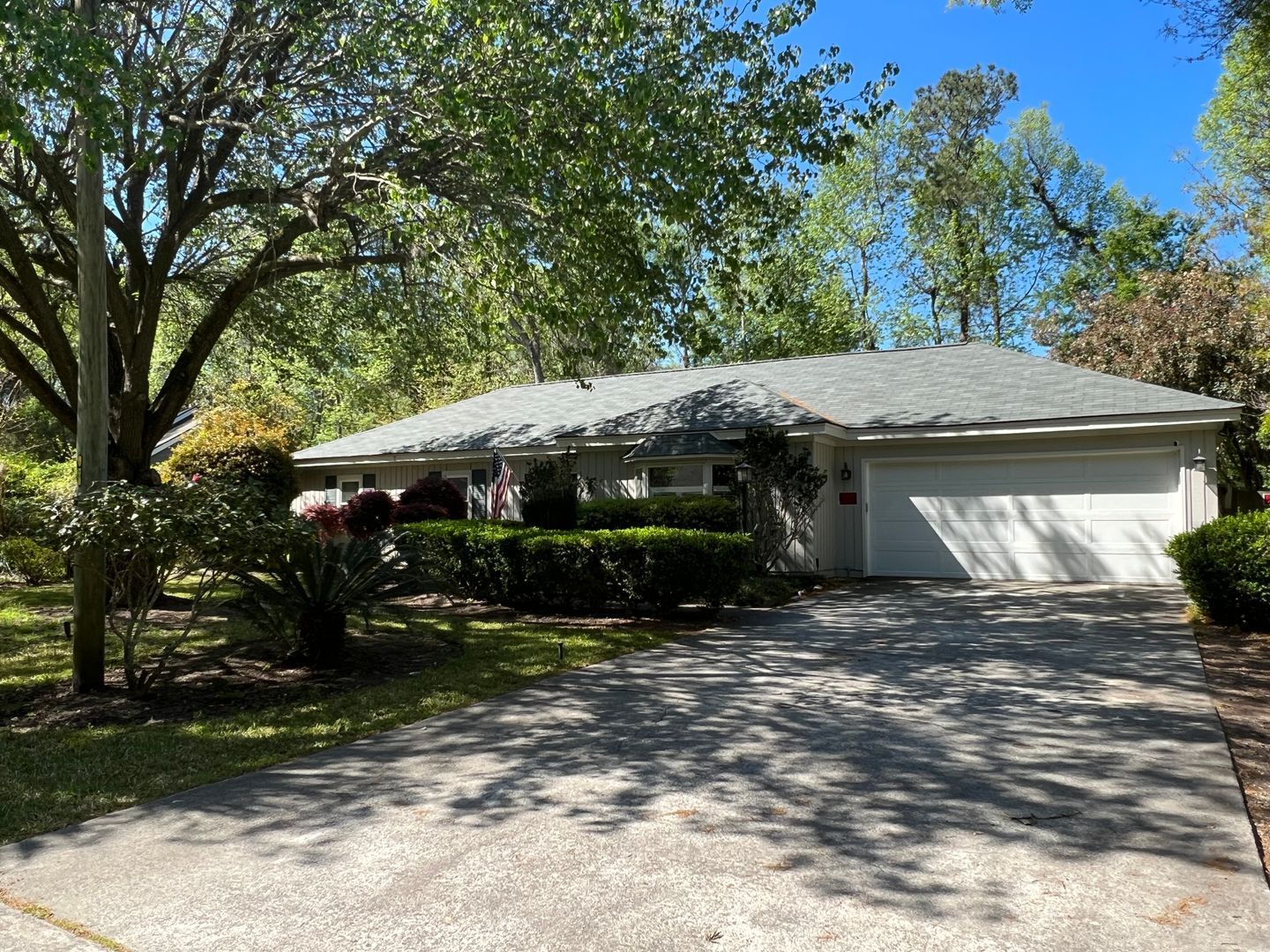
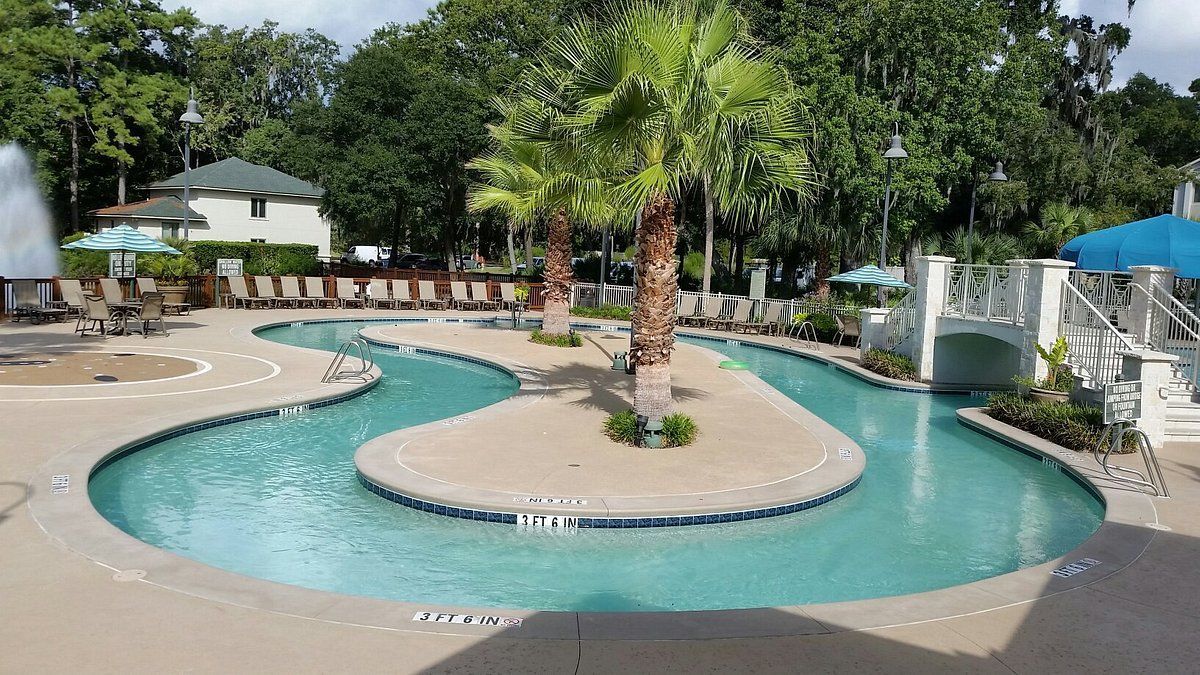
Why Hilton Head Island is One of the Most Family-Friendly Places to Live Safe neighborhoods, outdoor adventure, top schools, and a welcoming community make Hilton Head Island an ideal home for families. Hilton Head Island isn’t just a vacation destination; it’s a thriving, family-centered community where kids can explore, learn, and grow while adults enjoy a high quality of life. With miles of pristine beaches, safe streets, excellent schools, and a calendar full of kid-friendly activities, Hilton Head offers a balanced, active lifestyle that families value. If you're considering a move, here’s why Hilton Head Island stands out as a family-friendly place to call home. When you aren’t ready to buy a home but looking for a long-term lease on Hilton Head or in Bluffton, Coastal Long-Term Rentals is here to help. Here are the reasons why we think Hilton Head Island and the Lowcountry is a great place to live as a family. Safe, walkable neighborhoods with a sense of community Hilton Head is known for well-maintained neighborhoods with slower speeds, pedestrian-friendly sidewalks, and tree-lined streets that invite evening strolls with kids. Hilton Head Plantation offers hundreds of homes and miles of bike paths, an amenity center with tennis and pickleball courts, and a large pool with lazy river. (See below for other best neighborhoods to live in Hilton Head Island). From seasonal festivals to farmers markets and outdoor concerts, there are ample opportunities to meet neighbors, build connections, and create lasting memories. There are abundant playgrounds (like our favorite, Jarvis Creek Park), neighborhood parks, and easy access to nature preserves like the Sea Pines Forest Preserve, that give children safe spaces to play close to home. Excellent schools and educational options Strong public schools: The Hilton Head Island area is served by reputable public schools with focus areas ranging from STEM to arts and athletics. The newly constructed Hilton Head High School is set to open for the 2026-2027 school year. In addition to public schools, families have access to private schools like Hilton Head Preparatory School or Riverview Charter (Bluffton). There are two libraries --- one in Hilton Head and one in Bluffton, after-school programs with the Boys & Girls Club of the Lowcounry, community centers like the Island Recreation Center, nature-based learning opportunities like the Coastal Discovery Museum. Outdoor recreation for every age. There are miles of beaches that offer safe zones for family swimming, shell collecting, and sunset strolls. The island’s bike-friendly paths and nearby nature preserves provide healthy, low-impact activities that kids love. Kayaking, crabbing, and dolphin-spotting tours are exciting but safe ways to learn about marine life. There are family-friendly outfitters and beaches with lifeguards during peak seasons. Seasonal adventures: From shrimping and fishing derbies to summer camps and nature programs, there’s always a new outdoor activity to try. A welcoming, family-oriented community Hilton Head attracts families at various life stages—new movers, multi-generational households, and active retirees—creating a well-rounded, inclusive vibe. Local sports leagues at the Island Rec Center, youth programs, and clubs offer regular opportunities for kids to connect with peers and adults who share their interests. You are in close proximity to pediatric care centers, family clinics, and emergency services which helps families feel secure. Novant Hospital is expanding rapidly across the area and offers emergency care and routine care both on Hilton Head and in Bluffton. Convenience and location The island has plenty of family-friendly restaurants and stores, making errands easier on busy weeknights. Shopping, dining, and groceries are all easy with convenient access to Fresh Market Shops, Publix, Kroger and Walmart. Short drives to Savannah, Bluffton, or Beaufort offer additional cultural experiences and weekend adventures for families. Housing options There are a wide range of family-friendly rentals and homes—multiple bedrooms, yards, and pet policies—are available to accommodate growing families. Coastal Long-Term Rentals leases long-term leases (6+ months) for families. We are proud to offer vacant long-term leases on Hilton Head Island and in Bluffton in multiple communities. Here are some of the best neighborhoods for families in Hilton Head: Sea Pines: Iconic Vibe, World-Class Amenities, and Coastal Luxury Sea Pines is arguably Hilton Head’s most storied and recognizable community. Bounded by natural beauty, its crown jewel is the world-renowned Ocean Gate’s golf courses, dramatic scenery, and a resort-like atmosphere that blends luxury with laid-back island living. Sea Pines appeals to those who want a more curated, amenity-rich environment with a touch of prestige. Palmetto Dunes: Access, Convenience, and Resort-Style Living Palmetto Dunes sits close to the island’s midsection and is celebrated for its convenient access to beaches, shopping, and dining. It’s a popular choice for those who want a balanced, resort-style living experience without sacrificing practicality. Hilton Head Plantation: Private, Family-Friendly, and Gate-Quiet Located toward the island’s northeastern edge, Hilton Head Plantation feels like a self-contained, suburban sanctuary with a strong sense of neighborhood pride. The streets are broad, the landscaping lush, and the feel is decidedly family- and activity-oriented. While it isn’t directly on the beach, residents enjoy easy drives to Hilton Head’s famed shorelines and to a wealth of recreational amenities. Hilton Head Island offers a rare combination of safe neighborhoods, strong schools, abundant outdoor spaces, and a warm, welcoming community. For families seeking a balanced lifestyle where kids can explore, learn, and grow—and parents can enjoy a high quality of life—the island presents a compelling case to plant roots here.
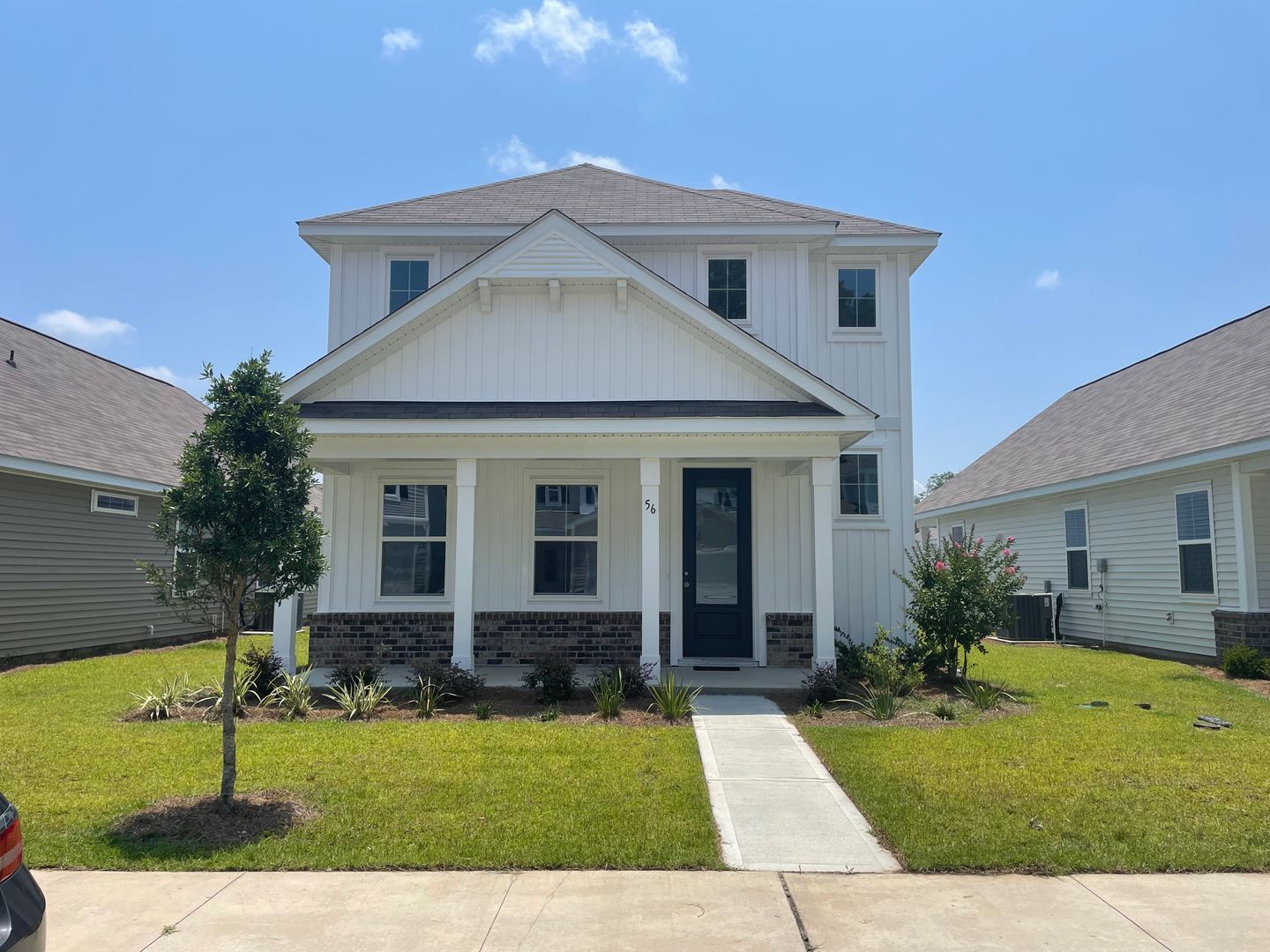
When renting is a smart choice Renting your home tends to get a bad rap for settling or an unwise financial decision that you are just “throwing money away” when in fact, a long term lease can be a financially smart decision for you and your family. A long-term lease in Hilton Head or a long-term lease in Bluffton can be a strategic choice that preserves flexibility, reduces upfront risk, and can pave the way to smarter financial goals. But how do you know? When is it smarter to rent than buy a home? Here are a few reasons why it’s sometimes better to rent than to buy. 1. If your career or personal life involves location changes, renting offers greater mobility. Shorter lease terms, fewer closing hassles, and no long-term commitment mean you can relocate for a job, a new city, or a lifestyle change without the burden of selling a property. At Coastal Long-Term Rentals, we focus on long-term leases that are 6 months or more, with the majority of our leases being 6 or 12 months. 2. When you rent, you’ll find substaintially lower up-front and ongoing costs. Buying a home typically requires a sizable down payment, closing costs, moving expenses, and ongoing costs like property taxes, maintenance, and homeowners insurance. Renting often means that you will have lower and predictable monthly costs, no repair or major maintenance responsibilities (the landlord handles most of it), an no property taxes or HOA fees to manage. At Coastal Long-Term Rentals, your upfront costs will not be sizeable like a downpayment. Many of our properties require a security deposit that is equal to or less than a month of rent. 3. When renting, you will find protection from market volatility – because real estate markets swing. Even in strong markets, prices can dip, and mortgage interest rates fluctuate. Renting keeps you out of the immediate risk of a price downturn and rising rates, at least until you’re ready to buy. 4. When renting, you can gain access to amenities and upgrades without the commitment. Many of our Hilton Head and Bluffton long-term lease properties offer amenities such as gym, pool, golf, pickleball, tennis, and freshly renovated and updated interiors. As a renter, you can enjoy these modern features or be in a prime location without the long-term financial commitment or depreciation risk. There are no Club membership or dues attached. 5. A home is not just a place to live; it’s an illiquid asset tied up in equity. The money tied to a down payment and ongoing maintenance could be invested elsewhere. If you value liquidity or want to invest in a diversified portfolio, renting frees up that capital. 6. In our long-term rentals on Hilton Head and long-term rentals in Bluffton, we handle major repairs and upkeep. If you’d rather avoid surprise repair bills or the hassle of maintenance, renting offers peace of mind and fewer ongoing obligations. 7. Not everyone is ready for homeownership—credit scores, debt levels, savings, and long-term stability all matter. Renting provides a path to save for a down payment, improve credit, or wait for the right market conditions without losing the benefits of a comfortable living situation in the meantime. So how do you decide if renting a home on Hilton Head Island is right for you? Here’s a quick guide to determining whether you should be looking for a lease or a place to buy. · Evaluate total costs: Compare monthly rent plus utilities to estimated mortgage payments, property taxes, insurance, maintenance, and HOA fees. · Consider your plans: Do you expect to stay long enough to build meaningful equity (often 5–7 years or more)? · Assess flexibility needs: How important is geographic flexibility to your career or lifestyle? · Factor risk tolerance: Are you comfortable with market fluctuations and potential maintenance surprises? Practical next steps · Do a rent-versus-buy calculation tailored to your city and situation (many online calculators can help, but adjust for your personal expected tenure and maintenance). · Build a one- to two-year emergency fund to cover unexpected costs in either scenario. · If you’re leaning toward buying later, start improving your credit score and saving for the down payment now. · Talk to a financial advisor or a trusted real estate professional to understand local dynamics and your personal finances. If your decision is to rent a home in Bluffton or on Hilton Head Island, we can help! We have a selection of 2, 3, 4 and 5 bedroom homes and villas on Hilton Head and in Bluffton that meet every need. From a villa rental on Hilton Head or a home rental in Bluffton – there is something for every renter looking. Please visit our vacancy page to learn more!
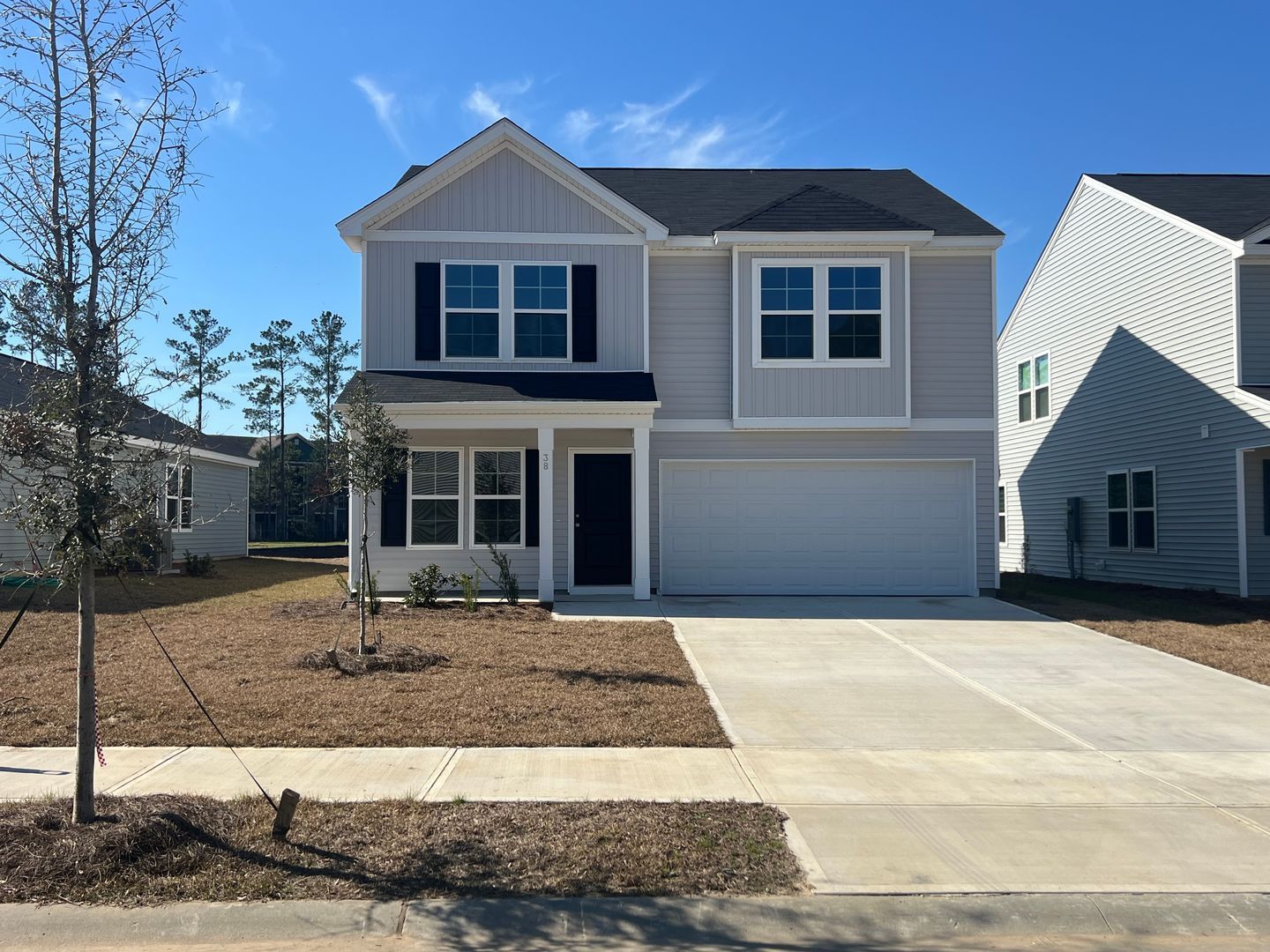
Choosing a long-term rental company to manage your property is a big decision. You’re entrusting your investment, your income, and your peace of mind to someone else. To protect your asset and maximize returns, look for a partner that shows transparency, rigor, and a genuine commitment to both property health and tenant quality. We believe this is us at Coastal Long-Term Rentals and have been serving property owners with reliable property management services on Hilton Head Island for a decade. Here’s a practical guide to help you pick a trustworthy, tenant-vetting focused property management company. Clarify your goals and expectations Before you start meeting property managers, write down your priorities. Are you aiming for maximum occupancy with reliable rent collection? Do you want proactive maintenance, stricter tenant screening, or regular financial reporting? A clear brief helps you evaluate candidates consistently. Be honest about your lease terms, pet policies, capital improvement plans, and preferred communication cadence. Trustworthiness starts with transparency Clear fee structure: Reputable firms publish a transparent breakdown of management fees, leasing fees, renewal fees, maintenance markup, and any markups for repairs. Be wary of vague quotes or hidden charges. At Coastal Long-Term Rentals, we do not nickel and dime our owners and we do not mark up maintenance fees. This is one of the biggest differences with our competitiors in the area. Written policies: A trustworthy company provides written policies on rent collection, late fees, eviction handling, maintenance approvals, and owner communications. Ask for a sample management agreement to review those policies. Ownership and team credentials: Confirm who owns the company and who will manage your property. Look for clearly identified local offices, licensed broker involvement if applicable, and ongoing staff training programs. Regular reporting: Expect timely, easy-to-understand owner statements (monthly or quarterly) with rent collected, delinquencies, maintenance activity, and property condition notes. Some firms offer an online owner portal for real-time access. Vetting tenants: the cornerstone of risk management! A property manager’s tenant screening process is one of the strongest indicators of long-term performance. Here’s what to look for: Thorough screening protocol: Reputable firms conduct multi-step checks, including income verification, employment confirmation, credit history, and rental history. They should use standardized criteria (minimum credit score ranges, debt-to-income ratios, eviction history) and apply them consistently to all applicants. Objective, fair housing compliance: The screening process must comply with local and federal laws (Fair Housing Act). Ask how they train staff to avoid bias or discriminatory practices, and request examples of their screening criteria in action. Reference checks: Expect verification of previous landlords, current landlords’ notes on payment history, care of property, and any prior issues. A good manager will contact multiple references and document findings. Balanced decisioning: A great firm documents why an applicant is approved or denied, tying decisions to objective data from screening and references rather than gut feeling. They should be able to explain exceptions if they arise and show how they mitigate risk (e.g., higher security deposits for borderline cases). Ongoing tenant monitoring: Some managers extend screening principles beyond move-in, including periodic income/rental history checks and proactive conflict resolution to reduce turnover and ensure rent reliability. Maintenance philosophy and reliability Preventive maintenance: Top firms run regular property inspections, seasonal checklists, and planned upgrades to preserve property value and occupant safety. Qualified vendor network: Ask about their pool of licensed, insured contractors and how they approve and monitor work. Transparent pricing and documented work orders help you avoid overcharging. Response times and SLA: Expect defined service level agreements for urgent repairs (e.g., 24–48 hours for major issues) and routine maintenance. Clear escalation paths reduce downtime and tenant dissatisfaction. Financial stewardship and risk management Rent optimization and rent collection: Inquire about how they set market rents, handle escalations, and enforce late fees. A strong manager uses automation for collections and provides arrears dashboards. Insurance and liability: Verify that the company carries appropriate insurance (general liability, E&O, and property management insurance). Ask about how they handle security deposits, including deposit protection and accounting. Eviction handling: While eviction is a last resort, you want a manager who handles it efficiently, legally, and with minimal delay. Review their eviction timelines, legal partnerships, and court familiarity. Service model and culture Local market expertise: A local, hands-on team understands neighborhood dynamics, tenant expectations, and permit requirements. Communication style: During your initial conversations, assess responsiveness, clarity, and professionalism. Do they provide a dedicated property manager for your account? Owner-centric culture: Look for a partner who treats your property as if it were their own, offers flexible terms, and prioritizes long-term relationships over short-term gains. Due diligence: ask for proof References: Request owner references and speak with other property owners about their experiences, especially around tenant quality, cost predictability, and communication. Case studies: Ask for examples of properties they manage, the average time to lease, and tenant turnover rates. With these simple, easy to follow step-by-step tips, you will be able to determine the right property management company for your long-term lease in Hilton Head or Bluffton. Ready to get started and interview us? Give our team a call!
Choosing a long-term rental company to manage your property is a big decision. You’re entrusting your investment, your income, and your peace of mind to someone else. To protect your asset and maximize returns, look for a partner that shows transparency, rigor, and a genuine commitment to both property health and tenant quality. We believe this is us at Coastal Long-Term Rentals and have been serving property owners with reliable property management services on Hilton Head Island for a decade. Here’s a practical guide to help you pick a trustworthy, tenant-vetting focused property management company. Clarify your goals and expectations Before you start meeting property managers, write down your priorities. Are you aiming for maximum occupancy with reliable rent collection? Do you want proactive maintenance, stricter tenant screening, or regular financial reporting? A clear brief helps you evaluate candidates consistently. Be honest about your lease terms, pet policies, capital improvement plans, and preferred communication cadence. Trustworthiness starts with transparency Clear fee structure: Reputable firms publish a transparent breakdown of management fees, leasing fees, renewal fees, maintenance markup, and any markups for repairs. Be wary of vague quotes or hidden charges. At Coastal Long-Term Rentals, we do not nickel and dime our owners and we do not mark up maintenance fees. This is one of the biggest differences with our competitiors in the area. Written policies: A trustworthy company provides written policies on rent collection, late fees, eviction handling, maintenance approvals, and owner communications. Ask for a sample management agreement to review those policies. Ownership and team credentials: Confirm who owns the company and who will manage your property. Look for clearly identified local offices, licensed broker involvement if applicable, and ongoing staff training programs. Regular reporting: Expect timely, easy-to-understand owner statements (monthly or quarterly) with rent collected, delinquencies, maintenance activity, and property condition notes. Some firms offer an online owner portal for real-time access. Vetting tenants: the cornerstone of risk management! A property manager’s tenant screening process is one of the strongest indicators of long-term performance. Here’s what to look for: Thorough screening protocol: Reputable firms conduct multi-step checks, including income verification, employment confirmation, credit history, and rental history. They should use standardized criteria (minimum credit score ranges, debt-to-income ratios, eviction history) and apply them consistently to all applicants. Objective, fair housing compliance: The screening process must comply with local and federal laws (Fair Housing Act). Ask how they train staff to avoid bias or discriminatory practices, and request examples of their screening criteria in action. Reference checks: Expect verification of previous landlords, current landlords’ notes on payment history, care of property, and any prior issues. A good manager will contact multiple references and document findings. Balanced decisioning: A great firm documents why an applicant is approved or denied, tying decisions to objective data from screening and references rather than gut feeling. They should be able to explain exceptions if they arise and show how they mitigate risk (e.g., higher security deposits for borderline cases). Ongoing tenant monitoring: Some managers extend screening principles beyond move-in, including periodic income/rental history checks and proactive conflict resolution to reduce turnover and ensure rent reliability. Maintenance philosophy and reliability Preventive maintenance: Top firms run regular property inspections, seasonal checklists, and planned upgrades to preserve property value and occupant safety. Qualified vendor network: Ask about their pool of licensed, insured contractors and how they approve and monitor work. Transparent pricing and documented work orders help you avoid overcharging. Response times and SLA: Expect defined service level agreements for urgent repairs (e.g., 24–48 hours for major issues) and routine maintenance. Clear escalation paths reduce downtime and tenant dissatisfaction. Financial stewardship and risk management Rent optimization and rent collection: Inquire about how they set market rents, handle escalations, and enforce late fees. A strong manager uses automation for collections and provides arrears dashboards. Insurance and liability: Verify that the company carries appropriate insurance (general liability, E&O, and property management insurance). Ask about how they handle security deposits, including deposit protection and accounting. Eviction handling: While eviction is a last resort, you want a manager who handles it efficiently, legally, and with minimal delay. Review their eviction timelines, legal partnerships, and court familiarity. Service model and culture Local market expertise: A local, hands-on team understands neighborhood dynamics, tenant expectations, and permit requirements. Communication style: During your initial conversations, assess responsiveness, clarity, and professionalism. Do they provide a dedicated property manager for your account? Owner-centric culture: Look for a partner who treats your property as if it were their own, offers flexible terms, and prioritizes long-term relationships over short-term gains. Due diligence: ask for proof References: Request owner references and speak with other property owners about their experiences, especially around tenant quality, cost predictability, and communication. Case studies: Ask for examples of properties they manage, the average time to lease, and tenant turnover rates. With these simple, easy to follow step-by-step tips, you will be able to determine the right property management company for your long-term lease in Hilton Head or Bluffton. Ready to get started and interview us? Give our team a call!

Hilton Head Island is a hotbed for real estate activity but all the numbers indicate that overall, the market has slowed down. Buyers and sellers are navigating a landscape shaped by limited inventory, rising interest rates in the broader market, and a strong appeal for lifestyle properties that combine golf, beaches, and a relaxed Lowcountry vibe. Are you interested in buying a property on Hilton Head Island? With some of the market challenges, many home seekers are deciding to rent right now. Ultimately, the decision will come down to a few key factors. At Coastal Long-Term Rentals, we do not sell real estate, but we help people find a long-term rental on Hilton Head Island until they are ready to buy. We refer our clients back to their realtor when they are ready. How do you know you are ready to buy versus decide to rent? First, let’s look at the key real estate market trends on Hilton Head. Key trends shaping the market: Inventory and prices: Homes on Hilton Head often see a competitive bidding environment, especially in well-established neighborhoods and ocean-access communities. While inventory has historically been tight, new listings continue to come online, offering a mix of single-family homes, townhomes, and luxury estates. Expect price stability in popular areas, with modest year-over-year appreciation in many segments. Buyer activity: Many buyers are motivated by the island’s year-round appeal, top-tier golf courses, and favorable climate. In the luxury tier, demand remains resilient, supported by second-home buyers and investors seeking long-term value. First-time buyers may face more competition and longer search windows due to premium pricing and limited options. Neighborhood nuances: Coastal and resort-style communities near beaches and marinas tend to command higher premiums. Inland neighborhoods with access to golf, schools, and trails offer more entry-point opportunities. Waterfront properties, marsh views, and homes with dock access continue to draw robust interest. Mortgage and financing context: Mortgage rate fluctuations influence buying power and monthly payments. Buyers often weigh short- and medium-term affordability against the island’s strong resale value and potential appreciation. Pre-approval and working with a local lender who understands Hilton Head’s market nuances is especially helpful. Seller considerations: For homeowners contemplating listing, presenting the property in top condition, highlighting outdoor living spaces, golf view lines, and recent upgrades can shorten marketing time. Strategic pricing, professional photography, and staging can yield favorable outcomes in a market where buyers are discerning. Hilton Head Island continues to be an attractive, high-quality real estate market with enduring appeal but it’s not without challenges right now. Deciding whether to buy or rent a property hinges on a blend of financial math, personal goals, and market context. A practical evaluation starts with a structured cash flow comparison and then expands to lifestyle and risk tolerance. To evaluate, follow these steps: Quantity Total Costs First, quantify the total cost of ownership versus renting. For buying, calculate: upfront costs (down payment, closing costs), ongoing costs (mortgage principal and interest, property taxes, homeowners insurance, maintenance reserves, HOA fees if any), and the opportunity cost of tying up capital. For renting, consider monthly rent, renter’s insurance, utilities you’ll pay, and potential rent escalation over time. Build a 5- to 10-year horizon projection for both paths, including expected home price appreciation or depreciation, rent increases, and the resale value or depreciation of the bought asset. Use a net present value (NPV) or internal rate of return (IRR) framework: compare the total cost of owning to the cost of renting plus potential investment returns on the down payment if you didn’t lock it into home equity. Assess Financial Levers Second, assess the financial levers. How stable is your income? Do you plan to stay in the same area for several years (often 5–7+ is a practical threshold for buying to recoup transaction costs)? What is the opportunity cost of tying up liquidity in a down payment versus keeping funds invested elsewhere with a potentially higher return? Also factor mortgage terms: fixed vs adjustable rates, term length, down payment size, and tax considerations (mortgage interest deduction in some jurisdictions). Evaluate Non Financial Factors Third, non-financial factors matter: lifestyle preferences, desire for flexibility, maintenance responsibilities, and risk tolerance. Owning provides stability, control, and potential equity growth but requires time, money, and exposure to market risk. Renting offers mobility, lower responsibility, and predictable costs but no equity and potential rent volatility. Run Sensitivity Analyses Finally, run sensitivity analyses. If interest rates rise, if housing prices fall, or if you move earlier than expected, how do outcomes change? Use scenario planning to make a decision that aligns with your financial goals and life plans, not just current market conditions. If you come to the decision that renting is a better option that purchasing a home on Hilton Head Island or buying in Bluffton, Coastal Long-Term Rentals can help. Take a look at our website and our page with vacant properties for rent in Bluffton and vacant properties for rent in Hilton Head. We have something for most budgets and price points and leases starting at 6 months and above.

If you are drawn to Hilton Head Island’s world-class golf and pristine beaches and are thinking of relocating there permanently, you are not alone. Hilton Head continues to be a desirable place to live year-round and grow in resident population year after year.

You've decided you want to live on Hilton Head... now where should you look?

Why everyone wants to relocate to this charming Southern town